A blonde, cute protagonist enters a dark room. She anxiously scans the shadowy walls as the camera zooms in on her face. We see every line of fear in her. She slowly walks into the room, wringing her hands. The music intensifies. She turns the corner when BAM! She runs into a lamp. Oh thank God it wasn’t the villain or something interesting! That would have been horrifying!
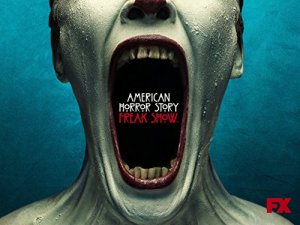
With Halloween right around the corner, a good number of horror movies and shows have wormed their way into just about every streaming service and cable TV channel. The October over-saturation of spooky stories comes with its fair share of potential classics and total dogs. But what makes the few stand out from the many? Why has Netflix’s The Haunting of Hill House created such a buzz, while FX’s American Horror Story still struggles to maintain relevance? What differentiates good horror from abominations that leave you asking for your time back?
The answer lies in how the director and editor choose to establish and subsequently break tension. When making a movie, most filmmakers want to evoke some form of emotion from the audience, whether it be sadness, happiness, or fear. There are multiple ways to subtlety influence audiences to be in the right frame of mind or mood: color saturation, music, lighting, the list goes on. With regards to horror, low saturation, dramatic yet tense music in a minor key, dark or exaggerated lighting, and dramatic cuts are used to arouse fear. If this is so straightforward, then how come some works of horror leave you sleeping with the lights on, whereas others have you yawning at the climax?

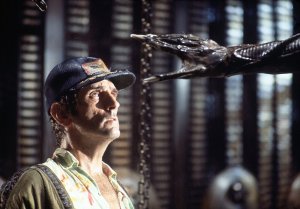
All the previously mentioned tools act as ways to build tension, but not how to break it. It is that breaking point that creates the jolt of fear, that brief shot of adrenaline that horror fans so crave. What certain horror movies or series do that works against them is shatter the tension, thereby calming down the audience and having to work to re-engage them. The most common way movies or shows do this is through jump scares. These can be effective (see Halloween (1978), Nightmare on Elm Street (1984), and Alien (1979)), but too much of it combined with choppy, inconsistent editing leads to a boring, not-at-all-scary experience (here’s looking at you, Hell Fest (2018)). In order to prevent the audience from getting bored, it’s important to bend the tension rather than destroy it. Hell Fest stands as an example in How to Bore Your Audience, since it breaks the tension it built up then goes right back to dialogue no one cares about, leaving the shattered remains of a decent horror flick for the actors to tread upon.
A certain amount of creativity is needed to bend tension rather than just break it. The Haunting of Hill House does this wonderfully by not drawing too much attention to the scare. The camera pans to the ghost rather than cutting to it, which builds tension in of itself. Since a violent cut does not occur, the audience takes a half second to react, therefore reducing the impact but still ensuring the audience stays with the tone of the film. It Follows (2014) does this as well, adding another element by having some of the more terrifying scenes occur in broad daylight.
In short, what really makes a horror movie or show work is how it breaks the tension it builds. If it slowly bends it, the audience gets an additional dose of anticipation and keeps that built-up tension for the remaining scares. Should the film shatter it, the fear and adrenaline last only for a moment.


 As Scene in Cinema